


Why Shadow Support Is Usually Recommended for at Least One School Term
- enquiriesshadowath
- May 26
- 3 min read

One of the most common questions parents ask when beginning shadow support is:
“How long will my child need shadow support?”
This is a very understandable question. Parents naturally want to know when their child will become more independent and whether support will be short-term or ongoing.
While every child’s journey is different, most agencies and professionals recommend committing to at least one full school term before making decisions about reducing or discontinuing support.
Why One Term Is Important
Shadow support is not an instant solution. The first few weeks are often spent helping the child adjust, observe routines, build trust, and understand the classroom environment.
Meaningful progress takes time because support involves much more than academics. It includes:
Emotional regulation
Following group instructions
Transitioning between activities and classes
Managing anxiety and sensory challenges
Social interaction
Building independence gradually
A child may initially appear either highly dependent on support or resistant to support. Both responses are normal during the adjustment phase.
The First Few Weeks Do Not Reflect Long-Term Progress
It is common for parents to expect immediate visible improvement. However, the beginning stages often involve:
Observation and relationship building
Trial and adjustment of strategies
Understanding triggers and learning styles
Helping the child feel emotionally safe
Some children may even show increased behaviours initially because they are adapting to new expectations/strategies and routines.
This is why judging the effectiveness of shadow support within only a few days or weeks may not provide an accurate picture.
Progress Happens in Small Functional Steps
Growth in school settings is usually gradual. Before a child can become independent academically, they often first need support with:
Attention and listening
Sitting tolerance
Emotional regulation
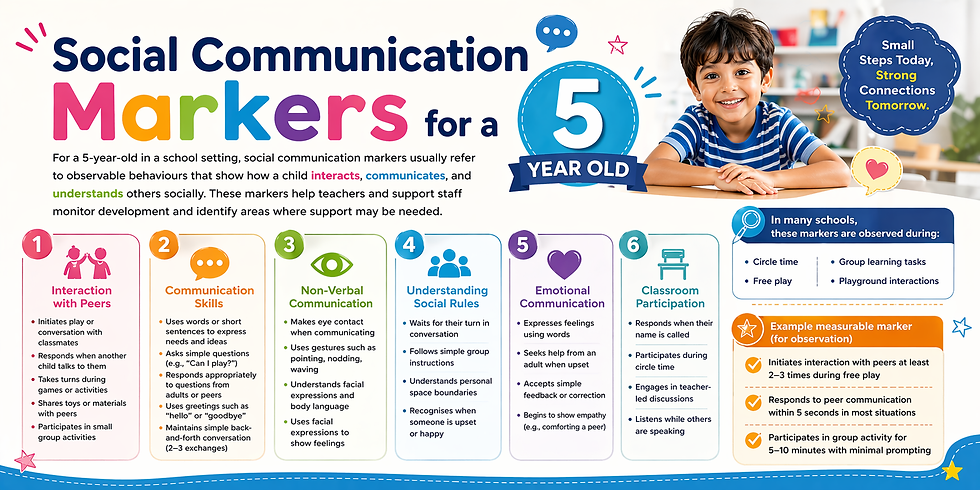
Classroom participation
Responding appropriately in group settings
Small improvements matter greatly. For example:
Remaining seated for longer periods
Recovering faster after frustration
Needing fewer reminders and prompts
Participating in group activities
Following classroom routines more consistently
These foundational skills take time to develop consistently across different situations.
Consistency Creates Better Outcomes
Children generally benefit from consistency in:
The support adult
Strategies used
Communication and phrases used
School expectations
Routines and structure
Frequent changes or stopping support too early can interrupt the adjustment process and make it harder for the child to build confidence and stability.
A full school term allows enough time to:
Build rapport
Establish routines
Implement strategies consistently
Observe patterns
Measure realistic progress
Shadow Support Is Meant to Build Independence
The goal of shadow support is not to create long-term dependence on the shadow teacher.. Effective support focuses on gradually helping the child become more independent within the classroom environment.
As the child develops confidence and coping skills, support strategies are adjusted accordingly. In some cases, support hours may eventually be reduced step by step based on the child’s readiness.
Every Child’s Timeline Is Different
There is no fixed timeline that applies to every child. Some children may require support for a shorter period, while others benefit from longer term support depending on:
Their developmental profile
Emotional regulation needs
Classroom demands
Social communication skills
Ability to function within group settings
The focus should not only be on how quickly support can be removed, but on ensuring the child develops a strong and sustainable foundation for success in school.
A minimum commitment of one school term allows both the child and support team the opportunity to build that foundation properly.


I liked how the post explains that progress with shadow support takes time and that small changes can matter more than quick results. I have noticed something similar when working with road rail services, where steady routines and careful planning often make a big difference in keeping things moving smoothly. It reminded me that good results rarely happen overnight. Giving people or processes enough time to adjust can create stronger and more lasting progress.